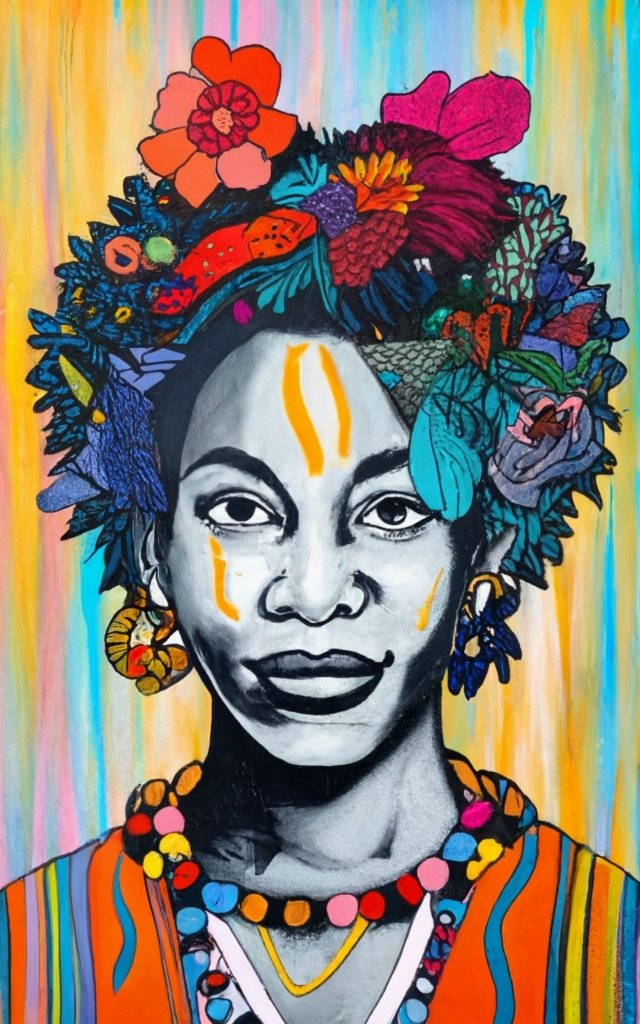
Memoirs have the unique power to transport readers into the intimate worlds of their authors. In “Brown Girl Dreaming” by Jacqueline Woodson, we are invited into a world of memory, identity, and dreams. Students will explore the significance of this memoir, analyzing its themes and techniques that make it a poignant and essential literary work.
https://www.teacherspayteachers.com/Product/Brown-Girl-Dreaming-Memoir-in-Verse-Lesson-8716538
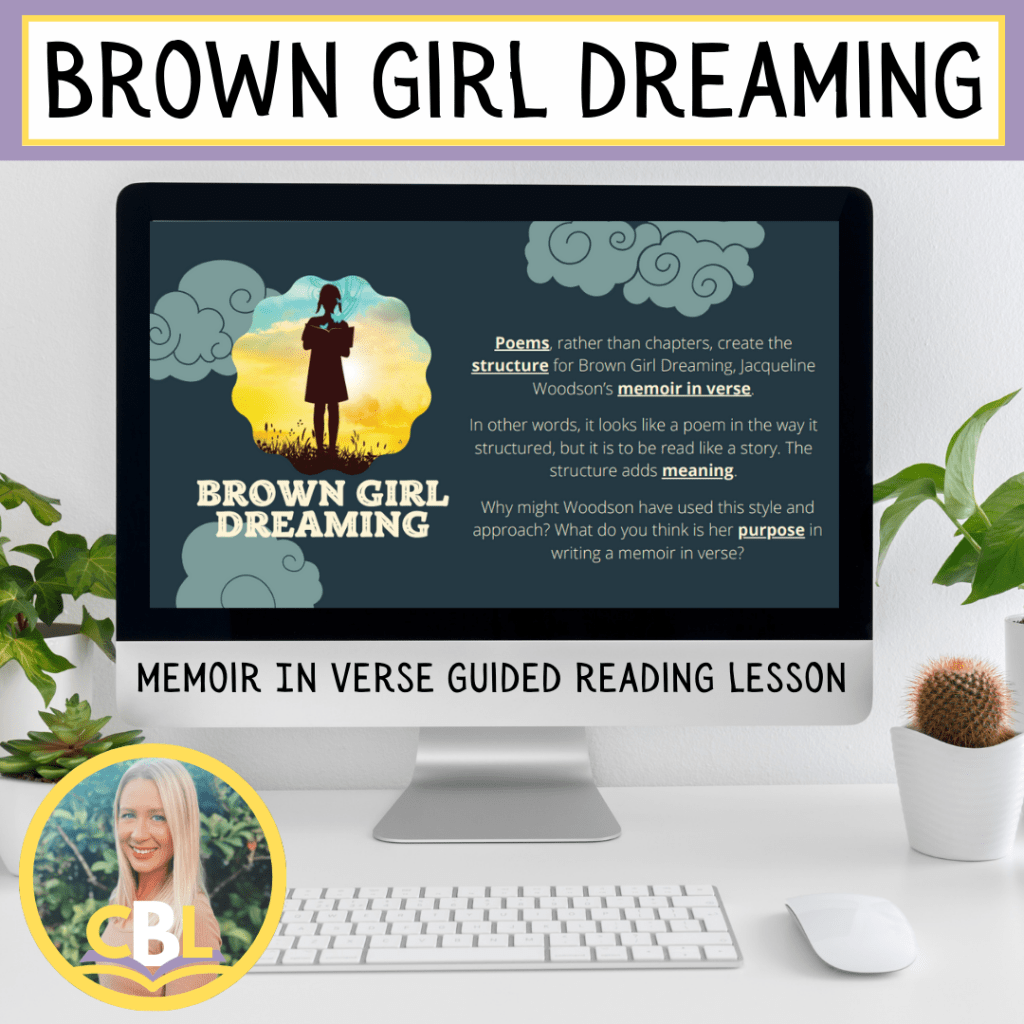
This guided reading lesson of Brown Girl Dreaming by Jacqueline Woodson includes reading prompts and discussion questions to provide a close reading analysis of this memoir in verse. Includes direct instruction on memoir in verse genre.
Themes in “Brown Girl Dreaming”:
- Identity and Belonging: At the heart of Jacqueline Woodson’s memoir is the theme of identity. Through her experiences as a young African American girl growing up in the North and South during the Civil Rights era, she grapples with questions of belonging, race, and culture.
- Family and Heritage: Woodson beautifully portrays the importance of family and heritage in shaping one’s identity. Her close-knit family, particularly her grandparents, plays a vital role in nurturing her sense of self and providing a safe haven.
- Literacy and Self-Expression: As an aspiring writer, young Jacqueline discovers the power of words and storytelling. Her journey towards literacy and self-expression becomes a central theme, highlighting the transformative role of writing in her life.
- Civil Rights and Social Justice: Set against the backdrop of the Civil Rights Movement, the memoir touches on themes of racial inequality, prejudice, and the fight for justice. Woodson’s experiences as a witness to this tumultuous era contribute to her understanding of social justice.

Technique Analysis:
- Free Verse Poetry: “Brown Girl Dreaming” is written in free verse poetry, a style that allows Woodson to convey her memories and emotions with vivid imagery and lyrical language. This technique lends a sense of intimacy and immediacy to her narrative.
- Multiple Perspectives: Woodson employs multiple perspectives, presenting her story through the eyes of her younger self. This allows readers to witness the world through the eyes of a child, gaining a deeper understanding of her experiences.
- Use of Dreams and Memories: The memoir is structured as a series of dreams and memories, creating a mosaic of interconnected moments in Woodson’s life. This technique mirrors the way memory works and underscores the significance of these fragments in shaping her identity.
- Character Development: Jacqueline Woodson’s character development, as well as that of her family members, is richly nuanced. Readers witness her growth, struggles, and evolving sense of self as she navigates her childhood and adolescence.
“Brown Girl Dreaming” by Jacqueline Woodson is a memoir that not only offers a glimpse into the life of a gifted writer but also serves as a powerful exploration of identity, family, and the pursuit of dreams. Through its free verse poetry and multiple perspectives, Woodson invites us to share in her memories and dreams, creating a profound and empathetic connection with her experiences. The themes of identity, family, literacy, and social justice resonate deeply, making this memoir a significant contribution to literature and a testament to the enduring power of storytelling. Jacqueline Woodson’s memoir reminds us that our stories, dreams, and memories are woven into the fabric of our identities, shaping us into the people we become.




 Core Basic Literacy
Leave a comment