
The Harlem Renaissance, a cultural and artistic movement that emerged in the early 20th century, was a vibrant celebration of African American culture, creativity, and intellect. At its heart were two literary giants: Langston Hughes and Claude McKay. In this blog post, we will explore the profound impact of these two poets on the Harlem Renaissance and how their poetry served as a catalyst for change, self-expression, and the reclamation of African American identity.

https://www.teacherspayteachers.com/Product/Harlem-Renaissance-Poetry-Analysis-9187150
This is a guided poetry analysis of some of the most impactful poetry of the Harlem Reanissance. The poems include: “America,” “If We Must Die,” and “After the Winter” by Claude McKay, as well as “Harlem,” “Dreams,” and “I Look at the World” by Langston Hughes. The questions included allow students to analyze the impact of literary devices (such as metaphor, simile, symbolism, anaphora, and juxtaposition) on the meaning and theme of the poems.
Langston Hughes: The Voice of the People
Langston Hughes is often hailed as the “Poet Laureate of the Harlem Renaissance.” His poetry was a reflection of the African American experience during the early 20th century, and it resonated deeply with the people of Harlem and beyond.
- Celebration of Black Culture: Hughes’ poetry celebrated the rich heritage, music, and traditions of African Americans. His poem “The Negro Speaks of Rivers” is a prime example, as it traces the history of Black people through the metaphor of rivers, connecting them to their roots.
- Critique of Racial Injustice: Hughes was unapologetic in addressing issues of racial injustice in his poetry. “Harlem” (also known as “A Dream Deferred”) poses the question of what happens to a dream deferred, offering a poignant critique of the systemic racism prevalent during the Harlem Renaissance.
- Accessibility and Resonance: Hughes’ poetry was accessible and spoke directly to the hearts of everyday people. His use of the blues and jazz rhythms in his poetry mirrored the cultural currents of the time, making it relatable to a wide audience.
Claude McKay: A Global Perspective
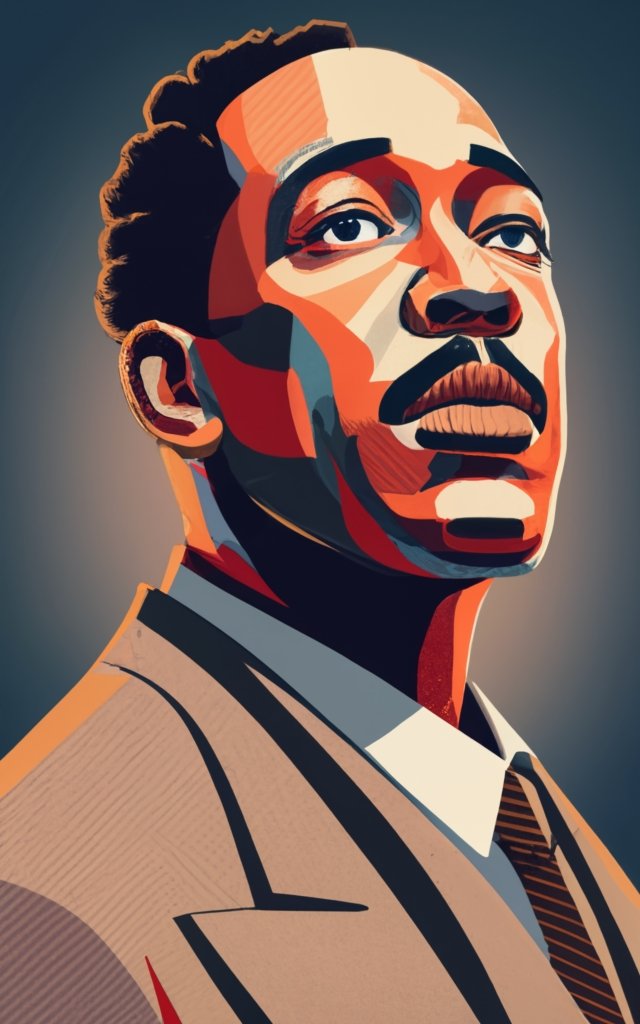
Claude McKay, a Jamaican-born poet, brought a global perspective to the Harlem Renaissance. His work reflected not only the African American experience but also the wider Black diaspora.
- Sonnets in the Key of Protest: McKay’s poetry, especially in his collection “Harlem Shadows,” addressed themes of racial discrimination, identity, and resistance. His sonnet “If We Must Die” rallied against racial violence and oppression, embodying a spirit of defiance.
- Cultural Identity: McKay’s exploration of cultural identity in poems like “Home to Harlem” delved into the complexities of being a Black immigrant in America. His work helped bridge the experiences of African Americans and those from the Caribbean and Africa.
- International Influence: McKay’s time spent in Europe and his exposure to various global cultures informed his poetry. His international perspective enriched the diversity of voices within the Harlem Renaissance, highlighting the movement’s global reach.

Langston Hughes and Claude McKay’s contributions to the Harlem Renaissance were monumental. Their poetry gave voice to the African American experience, inspired social change, and challenged societal norms. Hughes’ accessibility and McKay’s global perspective enriched the movement, showcasing the diversity of Black voices.
The Harlem Renaissance was more than an artistic movement; it was a cultural and social awakening that reshaped the trajectory of African American history. Through their poetry, Hughes and McKay played pivotal roles in this transformation, leaving a lasting legacy that continues to resonate in the world of literature and beyond. Their words remain a testament to the enduring power of art to drive change, inspire generations, and illuminate the path towards justice and equality.



 Core Basic Literacy
Leave a comment