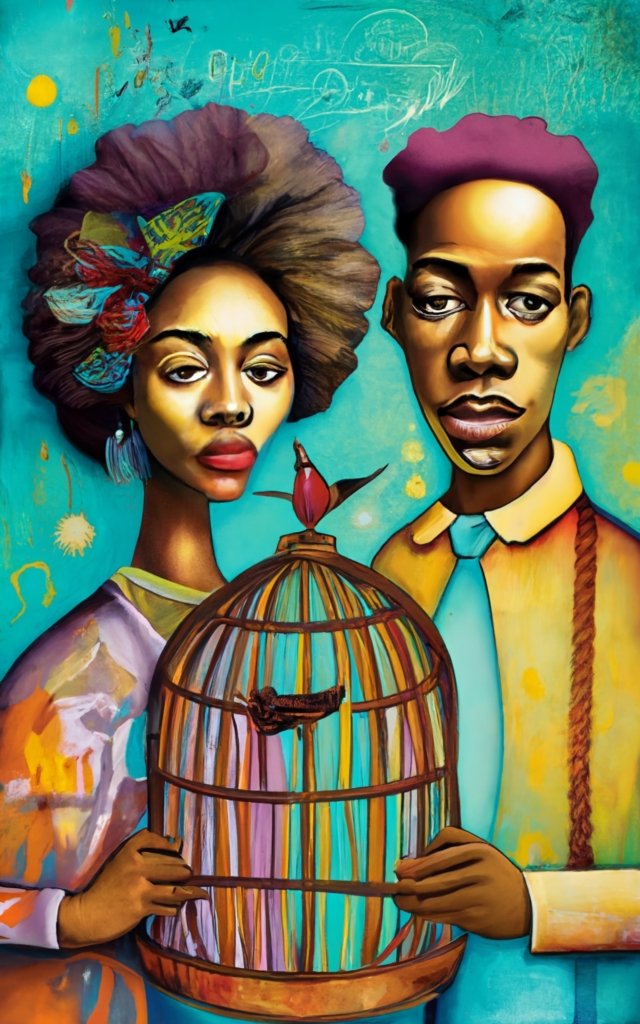
The metaphor of the caged bird is a powerful and enduring symbol in literature. Two prominent poems, “Sympathy” by Paul Laurence Dunbar and “Caged Bird” by Maya Angelou, explore this metaphor to convey the themes of oppression, freedom, and resilience. Literary students can be expected to examine how each poet employs the image of the caged bird to illuminate the human experience.
“Sympathy” by Paul Laurence Dunbar:
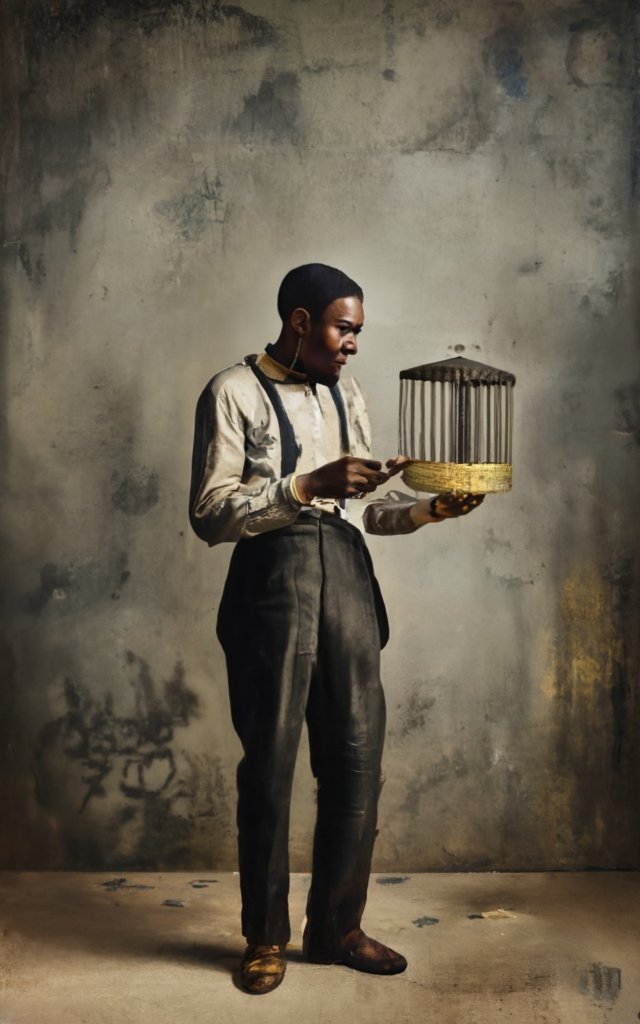
Paul Laurence Dunbar, a prolific African American poet of the late 19th century, employs the caged bird as a metaphor for the suffering and limitations imposed on marginalized individuals, particularly African Americans during that era.
https://www.poetryfoundation.org/poems/46459/sympathy-56d22658afbc0
In “Sympathy,” the caged bird represents the constrained and oppressed life of the poet. The bird’s “longing” for freedom and the “beat of [its] wings” against the bars of the cage symbolize the poet’s yearning for liberation and equality. The “groan” of the caged bird reflects the pain and suffering experienced by those denied their basic rights.
The poem captures the dual nature of the caged bird’s existence: its song symbolizes the innate human desire for expression and freedom, while the cage represents the societal constraints and prejudices that stifle these aspirations. The poem’s concluding lines, “I know why the caged bird sings!” reflect the poet’s deep understanding of the emotional and psychological toll of oppression.
“Caged Bird” by Maya Angelou:
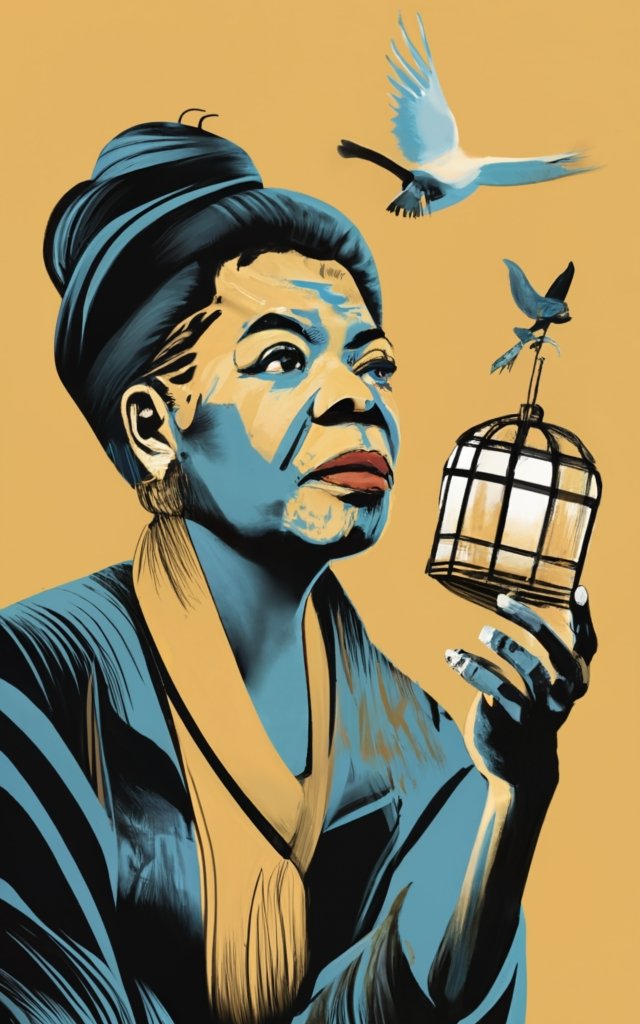
Maya Angelou, a renowned poet and civil rights activist, also uses the caged bird metaphor in her poem “Caged Bird.” Her poem echoes Dunbar’s themes but takes a broader approach, addressing the universal struggle for freedom and self-expression.
https://www.poetryfoundation.org/poems/48989/caged-bird
In “Caged Bird,” Angelou presents the caged bird as a symbol of resilience and the enduring human spirit. The caged bird’s song is described as “a fearful trill,” suggesting the constant threat of oppression and the struggle to maintain one’s dignity and voice.
The juxtaposition of the caged bird’s life with that of the free bird highlights the stark contrast between oppression and freedom. The free bird “dares to claim the sky,” representing the aspirations and dreams of individuals who refuse to be silenced by their circumstances.
Angelou’s poem ultimately conveys a message of hope and determination. Despite the challenges and limitations, the caged bird continues to sing, reminding us of the indomitable human spirit and the unyielding pursuit of freedom and equality.
https://www.teacherspayteachers.com/Product/Metaphorical-Analysis-The-Caged-Bird-10139408
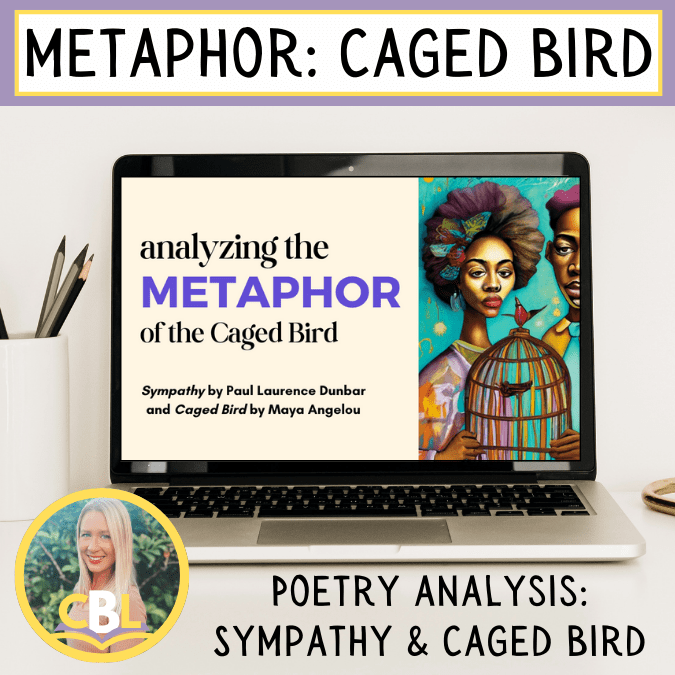
A guided poetry and metaphorical analysis of “Sympathy” by Paul Laurence Dunbar and “Caged Bird” by Maya Angelou will help students grasp the understanding of the literary devices used in the poem. The analysis activity slides are set up in the TPCASTT format to help students break down the elements of the poem to understand, interpret, analyze, and evaluate the poem. The guided, open-ended questions allow students to analyze the impact of the metaphor of the caged bird on the meaning and theme of the poem. The digital worksheets guide them through writing a poetry analysis paragraph using the PETAL writing structure.
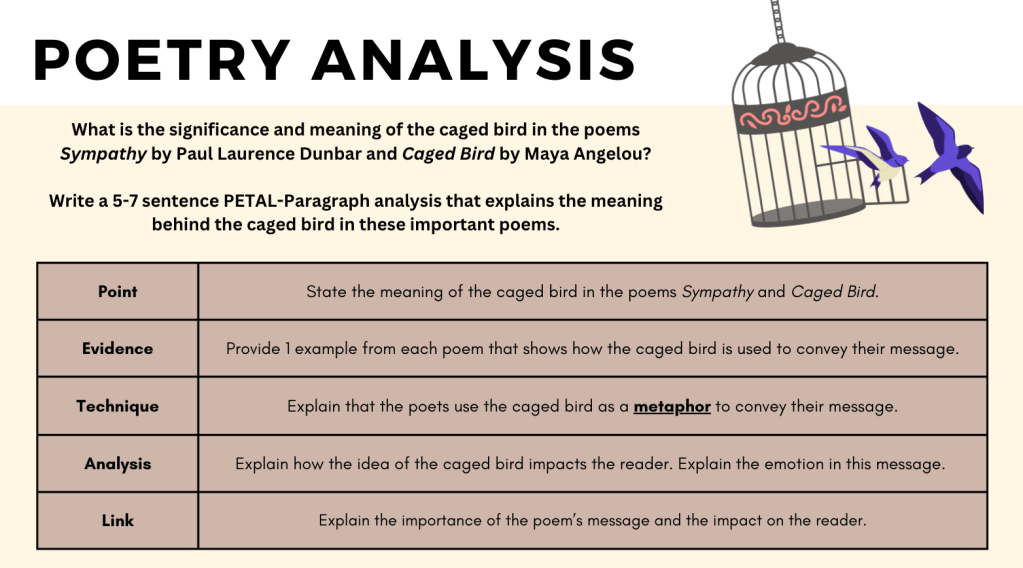
The metaphor of the caged bird in “Sympathy” by Paul Laurence Dunbar and “Caged Bird” by Maya Angelou serves as a poignant reminder of the enduring struggle against oppression and the yearning for freedom and self-expression. These poems continue to resonate with readers today, inspiring reflection on the importance of empathy, equality, and the pursuit of justice in society. Through their powerful use of metaphor, Dunbar and Angelou invite us to contemplate the resilience of the human spirit and the transformative power of poetry.




 Core Basic Literacy
Leave a comment