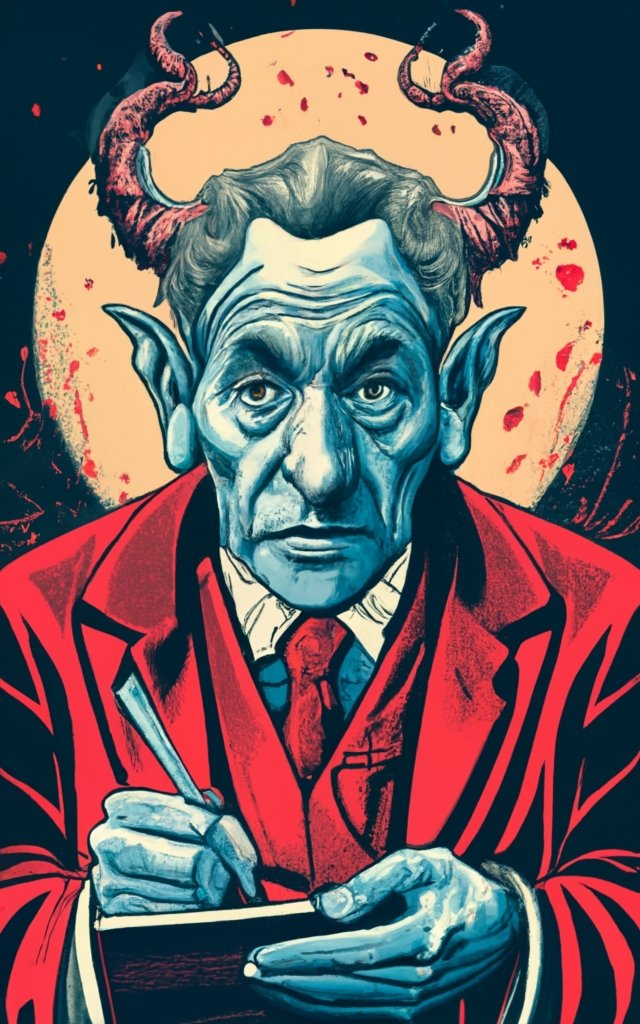
C.S. Lewis’s “The Screwtape Letters” is a masterclass in the art of literary devices, weaving a complex tapestry of ideas through the lenses of juxtaposition, paradox, irony, and satire. As we delve into the demonic world of Screwtape’s advice to his nephew Wormwood, we uncover the nuanced brilliance that defines Lewis’s exploration of morality, temptation, and spiritual warfare.
https://www.teacherspayteachers.com/Product/The-Screwtape-Letters-Novel-Study-10975350
- Juxtaposition: A Tapestry of Contrasts
- Lewis skillfully employs juxtaposition, placing seemingly opposing ideas side by side to illuminate the stark contrasts inherent in the human experience.
- Examples of juxtaposition abound in the novel, such as the contrast between the heavenly perspective and the demons’ warped view of reality. The mundane and the spiritual coexist, revealing profound insights into human nature.
- Paradox: Navigating the Enigma of Truth
- The novel is rife with paradoxes, challenging readers to navigate the complexities of virtue, sin, and spiritual growth.
- Lewis’s use of paradoxes like the “safest road to Hell is the gradual one” invites contemplation on the subtle dangers of compromise and the gradual erosion of moral foundations.
- Irony: The Demon’s Deceptive Dance
- Irony permeates the novel, creating layers of meaning that challenge conventional expectations.
- Screwtape’s ironic advice to Wormwood often involves distorting virtues into vices and vices into virtues. This ironic twist exposes the deceptive nature of temptation and moral inversion.
- Satire: A Mirror to Human Foibles
- Lewis employs satire to humorously critique human weaknesses and societal norms.
- Through Screwtape’s observations on human behavior, Lewis satirizes the absurdities of human vanity, self-deception, and the trivial pursuits that distract from spiritual growth.
In “The Screwtape Letters,” C.S. Lewis uses juxtaposition, paradox, irony, and satire as literary tools to unmask the subtleties of human nature and the spiritual realm. As readers navigate the demonic advice and the distorted perspectives presented by Screwtape, they are invited to reflect on their own beliefs, actions, and the timeless battle between good and evil. Lewis’s artistry in employing these literary devices elevates “The Screwtape Letters” from a mere narrative to a thought-provoking exploration of the human condition. It serves as a testament to the enduring power of literature to inspire self-reflection and contemplation on the deeper mysteries of life.




 Core Basic Literacy
Leave a comment