Welcome, fellow literary enthusiasts, to our exploration of the captivating masterpiece, “Lord of the Flies” by William Golding. As we delve into the intricacies of this iconic novel, we will unravel the rich tapestry of literary devices meticulously woven throughout its pages. Prepare to be enchanted, enlightened, and inspired as we embark on a journey to uncover the profound depths of Golding’s storytelling.
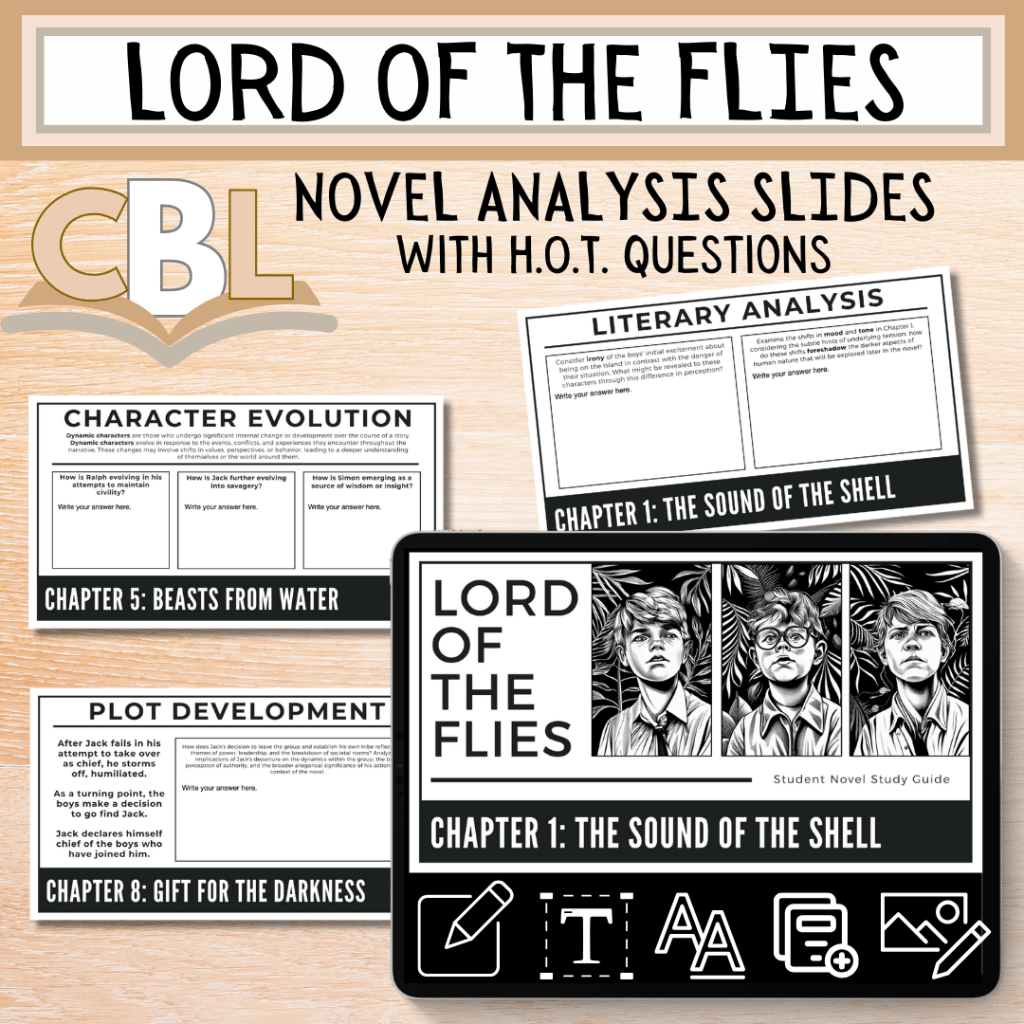
At the heart of “Lord of the Flies” lies a wealth of symbolism that adds layers of meaning to the narrative. From the conch shell symbolizing order and democracy to the beast representing the primal instincts within humanity, each symbol serves as a metaphor for larger themes and concepts. Through careful analysis, readers can unlock the hidden messages and insights embedded within these symbolic elements, gaining a deeper understanding of the novel’s central themes and characters.
Golding masterfully employs foreshadowing to hint at the unfolding events and themes in “Lord of the Flies.” From the ominous presence of the dead parachutist to the escalating tensions between the boys on the island, subtle clues scattered throughout the text provide glimpses into the dark and foreboding future that awaits. By recognizing these foreshadowing elements, readers can anticipate the twists and turns of the plot while gaining valuable insights into the characters’ motivations and actions.
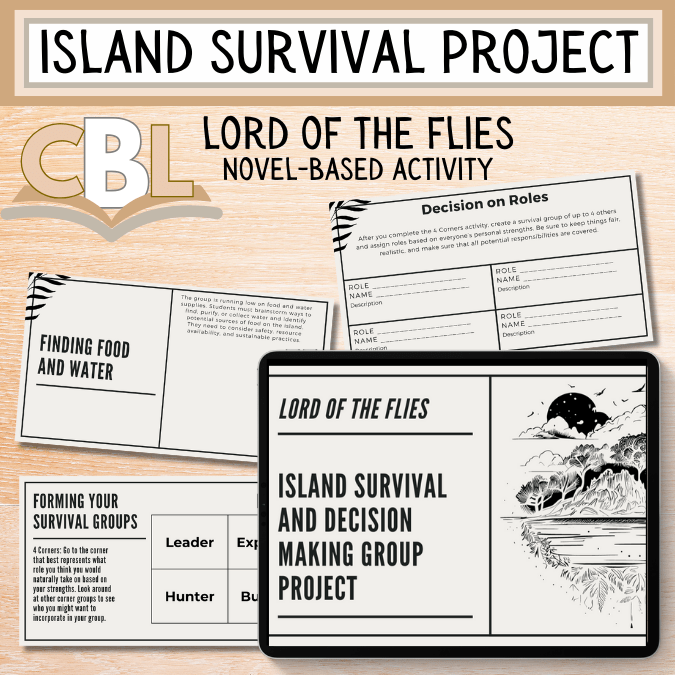
https://www.teacherspayteachers.com/Product/Lord-of-the-Flies-Island-Survival-Project-11047769
Irony permeates the narrative of “Lord of the Flies,” serving to highlight the complexities of human nature and the fragile balance between civilization and savagery. From the tragic irony of Piggy’s death at the hands of the very tool he relied on for survival to the ironic juxtaposition of the boys’ attempts to establish order amidst chaos, Golding deftly utilizes irony to underscore the novel’s central themes and moral dilemmas. By examining these instances of irony, readers can uncover deeper layers of meaning and contemplate the profound truths embedded within the story.
As an allegorical tale, “Lord of the Flies” extends beyond its literal narrative to explore broader themes and universal truths about the human condition. Through the microcosm of the deserted island and the interactions of its young inhabitants, Golding offers a powerful commentary on the innate darkness within humanity, the corrupting influence of power, and the fragility of civilization. By decoding the allegorical elements of the novel, readers can gain valuable insights into the complexities of human behavior and the timeless struggle between good and evil.
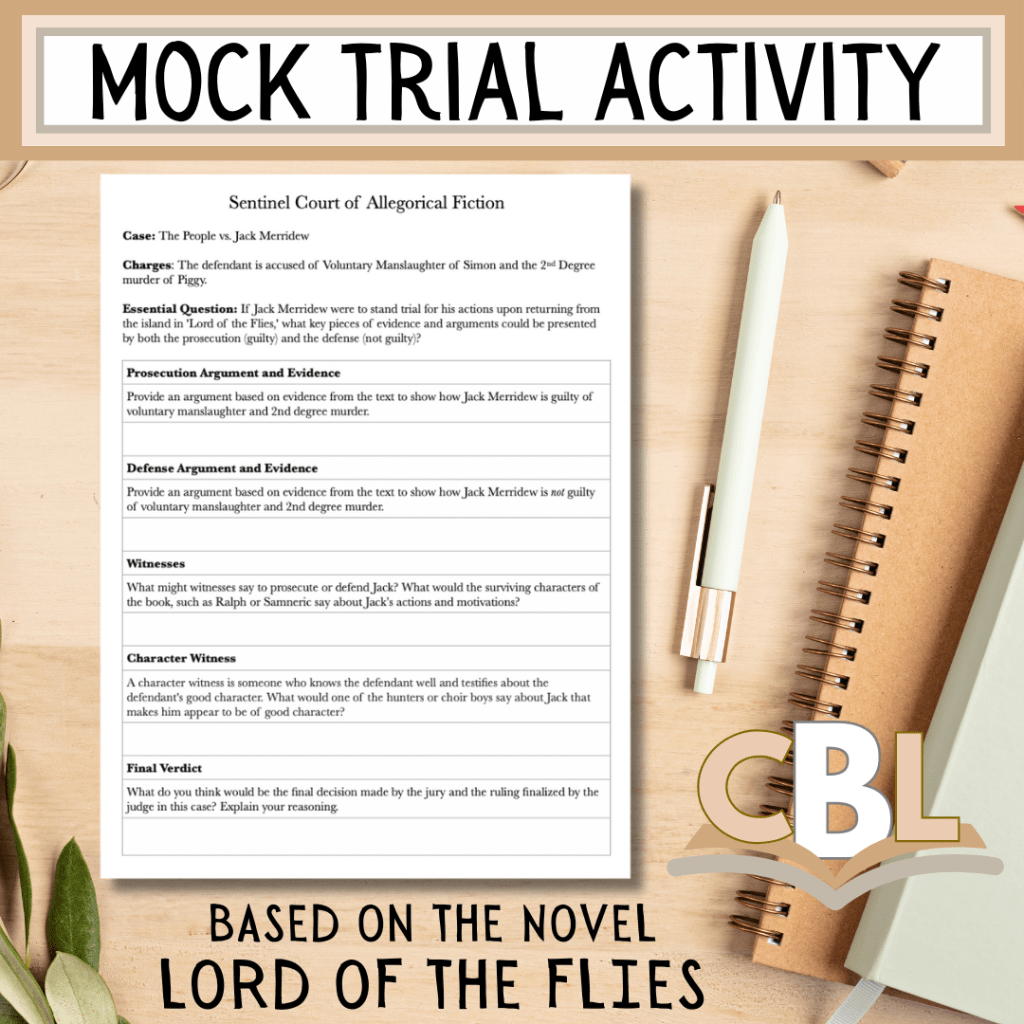
https://www.teacherspayteachers.com/Product/Mock-Trial-Lord-of-the-Flies-11238278
As we conclude our exploration of the literary devices used in “Lord of the Flies,” we are reminded of the profound impact of Golding’s storytelling and the enduring relevance of his themes. Through symbolism, foreshadowing, irony, and allegory, Golding invites readers to reflect on the complexities of human nature, morality, and the inherent tensions that define the human experience. So, let us continue to unravel the mysteries of “Lord of the Flies” and discover the timeless truths hidden within its pages.



 Core Basic Literacy
Leave a comment